


Rainbow High: Beauty Salon
4.998.00 Reviews
App Specs
- Version
- 1.4.6
- Updated On
- License
- Free
- Downloads
- 500,000+
- Developer
- Hippo Kids Games
- Categories
- Educational
- Platform
- Android
Screenshots
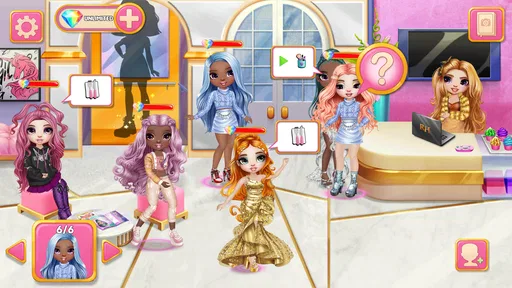
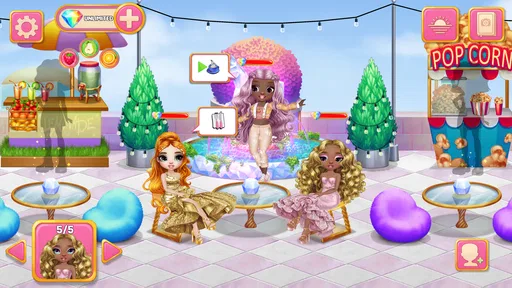
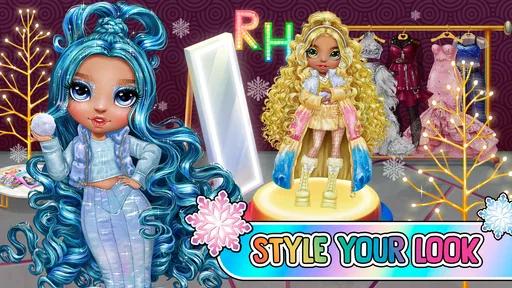
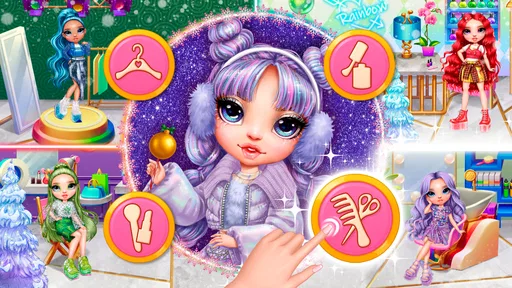

 Analysis by AppCompare
I’d describe Rainbow High: Beauty Salon as a small creative dress-up game, rather than a salon simulator with complicated rules. The idea is to style Rainbow High dolls with hair, makeup, and manicure choices, then enjoy the look you’ve put together. That makes it an easy pick for a child who wants to experiment freely, or for a parent looking for a simple, character-focused activity. My first impression is that its appeal comes from the making and matching, not from a deep story or a demanding challenge.
Why the focused format can work
One practical advantage of a narrow makeover activity is that a child can make a decision without needing to learn a collection system or remember a chain of objectives. That makes it easier to share the game with a sibling or friend: one player can suggest a color direction, while the other chooses how to interpret it. I’d keep the suggestions open-ended, though. The point is to let the child make the final calls, not to turn styling into a set of rules they have to get right.
This format is also a better fit for children who like visual play but tire of fast reactions. There is room to look at a choice and decide whether it suits the character, rather than racing a clock. On the other hand, children who prefer action, puzzles, or a clear sense of advancement may not find enough to hold their attention. It helps to think of the game as a creative toy with a beginning and end the player supplies, rather than as a campaign to complete.
What to expect from the salon
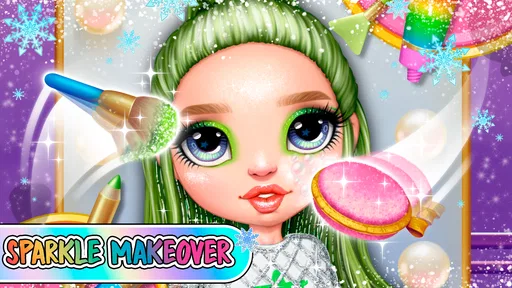
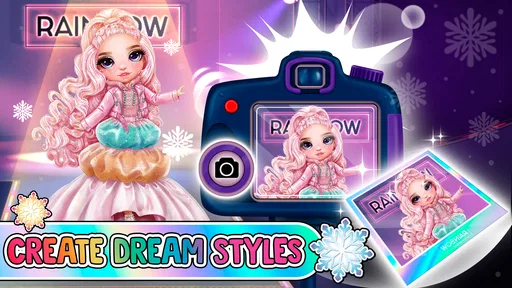
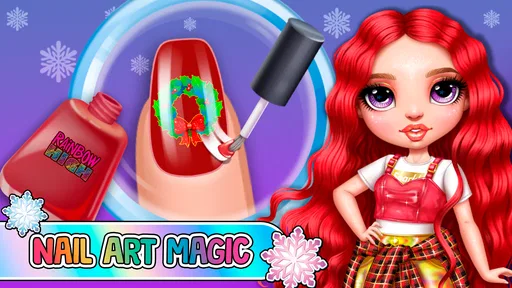
This is an educational game from Hippo Kids Games, built around visual creativity. It gives players a familiar set of beauty themes—hairstyles, cosmetics, and nails—within the Rainbow High world. Rather than asking you to learn a complicated control scheme, it invites you to try combinations and see how a doll’s appearance changes. For a first-time player, that clear premise is reassuring: there is no need to understand a long tutorial before making something.
The experience suits short visits. A child can open it, focus on a makeover, and stop when the look feels finished; it does not require a long session to make sense. I’d think of it as a playful creative outlet for moments such as a quiet break at home or a little downtime while waiting. It is not the right choice if you want a fashion game centered on scoring, competition, detailed character stories, or realistic salon work.
The distinction matters when comparing it with other dress-up games. Some alternatives lean on collecting outfits, completing timed challenges, or building a larger world. This one’s core promise is narrower: personalizing a Rainbow High doll’s beauty look. That focus can be a strength for younger players who enjoy the characters and want an uncomplicated activity, but it may feel limited to someone expecting lots of different game modes.
Rainbow High: Beauty Salon is free to start, and it is rated for Everyone. Its average rating is 4.9 from around 5.8 thousand ratings, with over 500 thousand installs. Those figures suggest that it has found an audience, but they are not a substitute for deciding whether the simple makeover loop matches your child’s interests. The developer is Hippo Kids Games, and the current version is 1.4.6.
Worth Reading Before You Choose

Flipboard Shows What News Apps Must Do Beyond the Feed

Switching to Android Auto Means Rethinking Your Driving Routine

Google Calendar Makes a Crowded Week Easier to Manage

Ludo King Makes the Most of the Minutes Between Plans

Baby Panda World Brings Quick Play to Modern Phones, but Its Game Library Feels Busy

ESPN’s Live Game View Makes Following Close Games Easier
Getting ready for a first try
Before installing, check that the device runs Android 7.0 or later if you are using Android. The game is free, with optional in-app purchases ranging from $0.49 to $11.99 per item. I’d make that clear to a child before handing over the device: free to begin does not mean every available purchase is included. If you prefer to avoid surprise spending, review your device’s purchase controls and keep the first session focused on what is available without buying anything.
There is no need to prepare a complicated plan. I’d start by asking the player to choose one doll and imagine a simple look—perhaps a bold hairstyle with a coordinated manicure, or a softer combination of colors. This small prompt gives the session a goal without turning play into a lesson. It also helps a child notice how separate choices can work together, which is more satisfying than tapping through options at random.
For a parent, the most useful setup is often conversational rather than technical: agree on whether purchases are allowed, then let the child explore the styling choices independently. The Everyone age rating makes the game broadly accessible, though a rating cannot tell you whether every design choice will suit your household. A quick look at the opening experience together is a sensible way to decide if the presentation and activity feel right for the player.
Making the first look feel complete
For a first meaningful success, I’d suggest treating the makeover as a tiny design exercise. Pick one feature to lead with, such as the hair, and let the makeup and nails support it instead of competing for attention. Then pause before finishing and ask whether the colors feel like they belong together. This gives the child a concrete result to feel proud of, while keeping the activity playful rather than instructional.
A useful trick is to change one choice at a time. If a look feels too busy, the player can adjust a single element and compare the result, instead of starting over or changing everything at once. That makes experimentation less frustrating and helps young players connect a choice with its visual effect. It is a small workflow, but it turns casual tapping into a more deliberate creative process.
Another good first-session goal is to create two contrasting styles for the same doll, if the available options make that possible. One can be bright and dramatic, the other calm or coordinated. Comparing them encourages a child to explain what feels different without needing scores or prizes. I would not promise that every possible combination will be equally expressive; the fun depends on enjoying the choices the game offers, rather than expecting unlimited customization.
Where new players may get stuck
The most likely point of confusion is expecting a conventional game structure. If a child is waiting for levels, a plot, or a clear “win” screen, the salon format may seem to have no purpose. I’d explain that the goal is the look itself: choose, compare, and finish when it feels right. That framing helps a first-time player settle into the creative pace instead of searching for a challenge the game is not built around.
It is also worth distinguishing between styling and simulation. The theme may suggest a working salon, but the central appeal is making up a doll’s appearance, not learning real beauty techniques or managing customers. A child who wants realistic tools, detailed step-by-step instructions, or practical makeup guidance would be better served by another kind of activity. Here, the choices are for imaginative play.
Some players may move quickly through the available choices and want more variety than the core activity provides. That is a genuine limitation for children who need new objectives to stay interested. Rather than framing every session as an open-ended makeover, a parent can offer a simple theme—match the nails to the hair, create a contrasting palette, or make a look for an imagined occasion. Those prompts add variety without pretending the game has a deep progression system.
Another point to keep in mind is spending. Optional purchases can be easy for a child to misunderstand as part of ordinary play, especially when they are eager to access more choices. I’d set expectations before the first session and stay nearby if the player is very young. The listed purchase range is $0.49 to $11.99 per item, so household purchase settings are worth checking rather than assuming the free download covers every item.
Who will enjoy it, and who may prefer something else
I can see this working especially well for a young Rainbow High fan who likes arranging colors, trying looks, and making a character feel personal. It can also suit a child who prefers calm, self-directed play over timers and competitive goals. In an everyday setting, it could be a handy short activity after school: invite the child to create a look based on a color they noticed that day, then let them explain their choices. That gives the session a natural beginning and end without requiring a parent to guide every tap.
It is less suitable for a player looking for a large fashion adventure, frequent unlocks, or a challenge that gets harder over time. In that case, a dress-up game with missions or a broader character-collection game may hold attention better. Likewise, someone seeking an educational game with structured lessons should not assume that the educational category means formal teaching; the learning here is closer to visual choice-making and creative expression.
The game was released on December 24, 2025. That may matter to people comparing versions or looking for something newly released, but I would put more weight on the current fit: a simple beauty-styling activity, a familiar doll brand, and optional purchases. If the child already enjoys Rainbow High and likes makeover play, those are the strongest reasons to try it. If neither the characters nor styling appeal, the high rating alone is unlikely to change that.
A sensible next step after the first session
Once a child has made one look, I’d encourage a second visit with a different constraint rather than simply repeating the same choices. Try building around one color, or ask the player to make the hair the focus and keep the other elements quieter. This is a practical way to see whether the game has enough creative appeal for them: if they enjoy inventing their own themes, the basic format may continue to work; if they quickly run out of ideas, it may be better as an occasional diversion.
Parents can also use the first session to judge how comfortably the child handles the interface and whether they understand the purchase boundary. A quick check-in afterward—what choice did you like best, and what would you change next time?—can reveal more than simply asking whether the game was fun. It gives the player a chance to reflect while keeping the experience light, and it helps you decide whether to leave the game available for independent play or keep it as a shared activity.
Making the choice work for your household
If you are deciding whether to install it for a child, I would use their interest in the Rainbow High characters as the first filter, then consider how they like to play. A fan who enjoys choosing colors and shaping a character’s appearance has a clear reason to give it a try. A child who mainly asks for new levels, rewards, or a story to follow may be happier with a more structured dress-up game. That distinction can save disappointment: the appeal here is personal styling, not a promise of continual new goals.
For a shared device, it may help to keep the first session brief and observe what the child actually does. Do they linger over combinations, change one detail to see the difference, and enjoy explaining the finished look? Those are signs that the creative loop suits them. If they simply tap rapidly through options and then ask what comes next, the format may be too open-ended for their tastes. Either outcome is useful; there is no need to make the game fit a player who wants a different kind of activity.
Compared with drawing or paper-doll play, the game gives the child a character and a ready-made styling context, which can make getting started easier. Compared with fashion games built around missions, however, it asks more of the player’s imagination because the child supplies the theme and stopping point. A helpful middle ground is to suggest one small brief—such as a look for a rainy-day mood—then step back. This keeps the activity concrete without implying that the game itself provides a structured challenge.
One sensible way to keep the activity fresh is to rotate who chooses the theme, not to expect the game to supply a new objective each time. A child can pick a mood, a color, or a contrast, while a sibling or parent offers a single styling prompt. If the child enjoys that kind of self-made challenge, the game can become a small creative ritual. If they need the app to introduce fresh tasks, it is better to treat it as a brief occasional option rather than their main game.
Overall, Rainbow High: Beauty Salon is an approachable choice when the goal is a short burst of character styling, not a full-fledged fashion game. I like its clear creative focus and the ease of giving a child a simple first objective. The trade-off is that the experience may not satisfy players who want deeper progression or a wider range of activities, and the optional purchases deserve a little adult attention. For a Rainbow High fan who enjoys experimenting with appearances, I’d feel comfortable recommending it as a modest, easy-to-understand creative game.
Pros
- Colorful visuals capture the style of the Rainbow High series.
- Makeup and hair tools are simple for young players to use.
- Outfit choices encourage creative styling and experimentation.
- Familiar characters add appeal for fans of the franchise.
- Short salon sessions work well for casual play.
Cons
- Limited gameplay may feel repetitive after several makeovers.
- Some styling options may require in-app purchases or ads.
- The focus on appearance may not suit every family.
- Young children may need help navigating menus and prompts.
- Performance can vary depending on the device.
FAQs for Rainbow High: Beauty Salon
What is Rainbow High: Beauty Salon?
Rainbow High: Beauty Salon is a fashion and makeover game inspired by the Rainbow High characters. Players can choose a character, create a look, and experiment with salon-style activities such as hairstyles, makeup, and outfits. It is designed primarily for casual play and creative self-expression rather than a deep story or challenging gameplay. The exact characters and features available may depend on the version you download.
How do you play Rainbow High: Beauty Salon?
The game typically guides you through selecting a character and using on-screen menus or touch controls to customize her appearance. You can try different beauty and fashion options, then review the finished look. The interface is intended to be accessible to younger players, though some choices may be limited by the available content. Before downloading, check the current store listing for details about included activities and any in-app purchases.
Is Rainbow High: Beauty Salon suitable for children?
Its makeover-focused play and familiar fashion-doll characters may appeal to children, but parents should check the age rating and store information for the specific Android or iOS version. Also review the privacy policy, permissions, advertising disclosures, and in-app purchase options. These details can vary by publisher, region, and update. For younger children, it is sensible to explore the app together and use device settings to manage purchases or screen time.
Can you play Rainbow High: Beauty Salon offline, and is it free?
Whether the game works offline and whether all of its content is free can depend on the current release. Some versions of mobile games include advertisements, optional purchases, or content that requires an internet connection, while others may allow basic play without connectivity. Check the app-store listing and recent user reviews before installing, especially if offline access or avoiding extra costs is important to you.
Which devices support Rainbow High: Beauty Salon, and what should I check before downloading?
Rainbow High: Beauty Salon may be available for Android, iOS, or both, but compatibility depends on the particular release and your device. Check the official Google Play or Apple App Store listing for supported operating-system versions, storage requirements, publisher details, and recent update information. Downloading from an official store also helps you verify that you have the intended app and lets you review its current ratings and policies.


